
For the best results, prevent or treat lawn burweed while plants are still small—from fall through winter and before the spine-tipped burs harden in spring. Once sharp stickers have formed, killing the plant will not make the existing burs disappear immediately.
Lawn burweed can spend months hiding low in the grass before suddenly turning a lawn into a painful place for bare feet and pet paws. The key is knowing what to look for—and acting early enough.
How to Identify Lawn Burweed
Lawn burweed, also known locally as stickers or pickers, is a winter annual weed that starts to grow in the fall as temperatures cool. It is very common in Baton Rouge, Prairieville, Gonzales, Denham Springs, and surrounding areas.
Burweed grows mostly unnoticed through the cold winter months. As temperatures warm in early spring, it begins a period of rapid growth and produces hard, spine-tipped burs in the leaf axils. This low-growing, freely branched weed can thin the appearance of a lawn, compete with turf, and make the yard uncomfortable for people and pets.
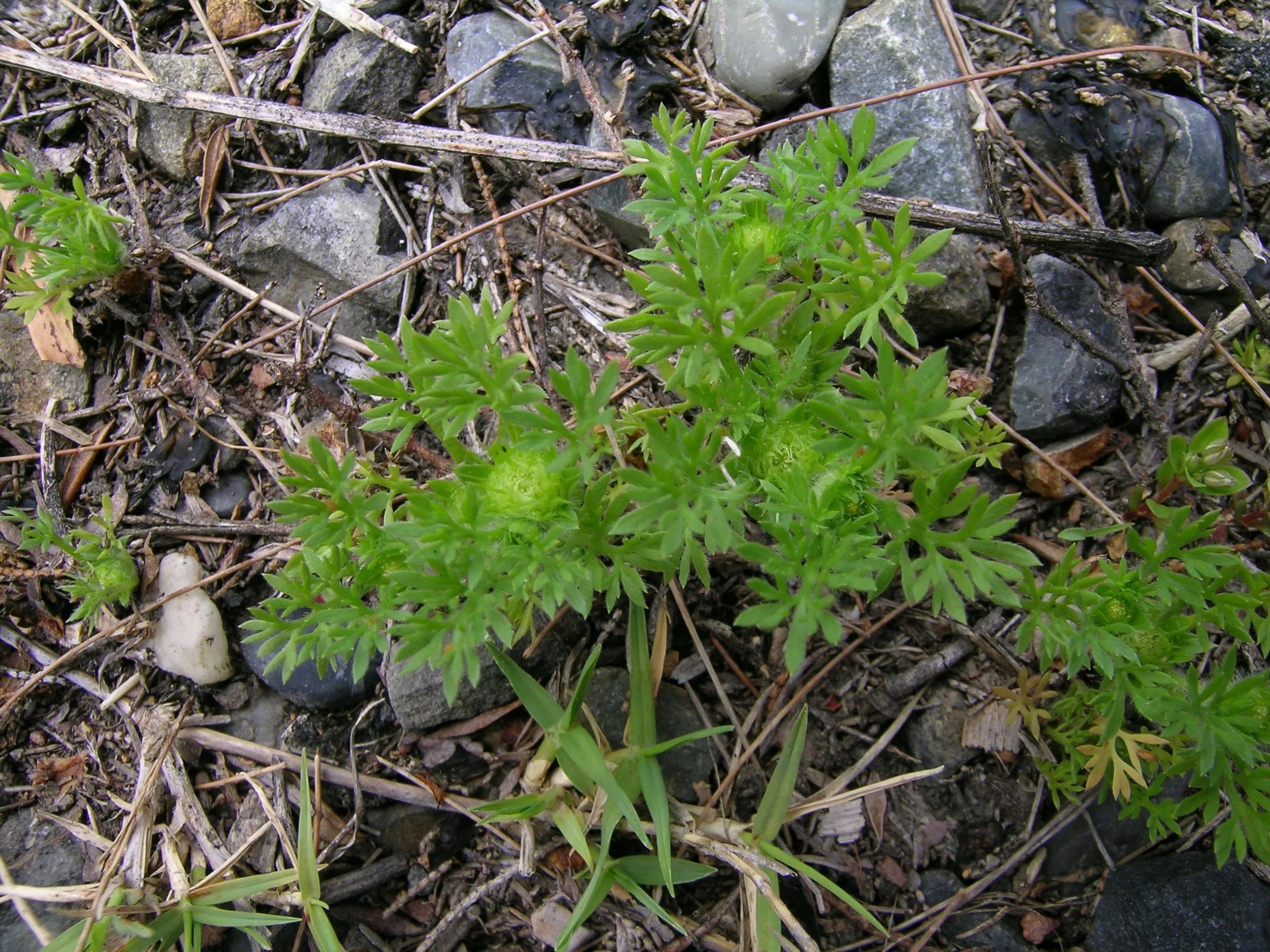
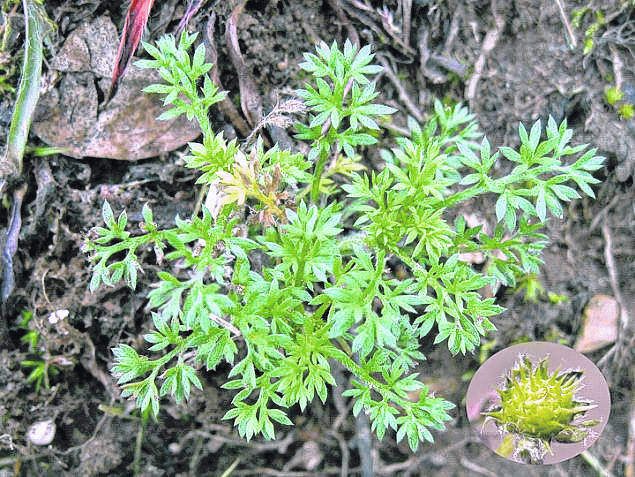
What to look for
- Numerous stems spreading outward from a central base
- Small, finely divided leaves with a parsley-like appearance
- A low, mat-forming growth habit that hides beneath turf
- Tiny greenish flowers that are easy to overlook
- Spine-tipped burs that develop where leaves meet the stems
- Clusters of small fruits containing the next generation of seed
The plant is small and soft during winter. Most people do not recognize the problem until spring, when the burs mature and begin sticking feet, socks, shoes, and paws.
Ways to Kill Lawn Burweed
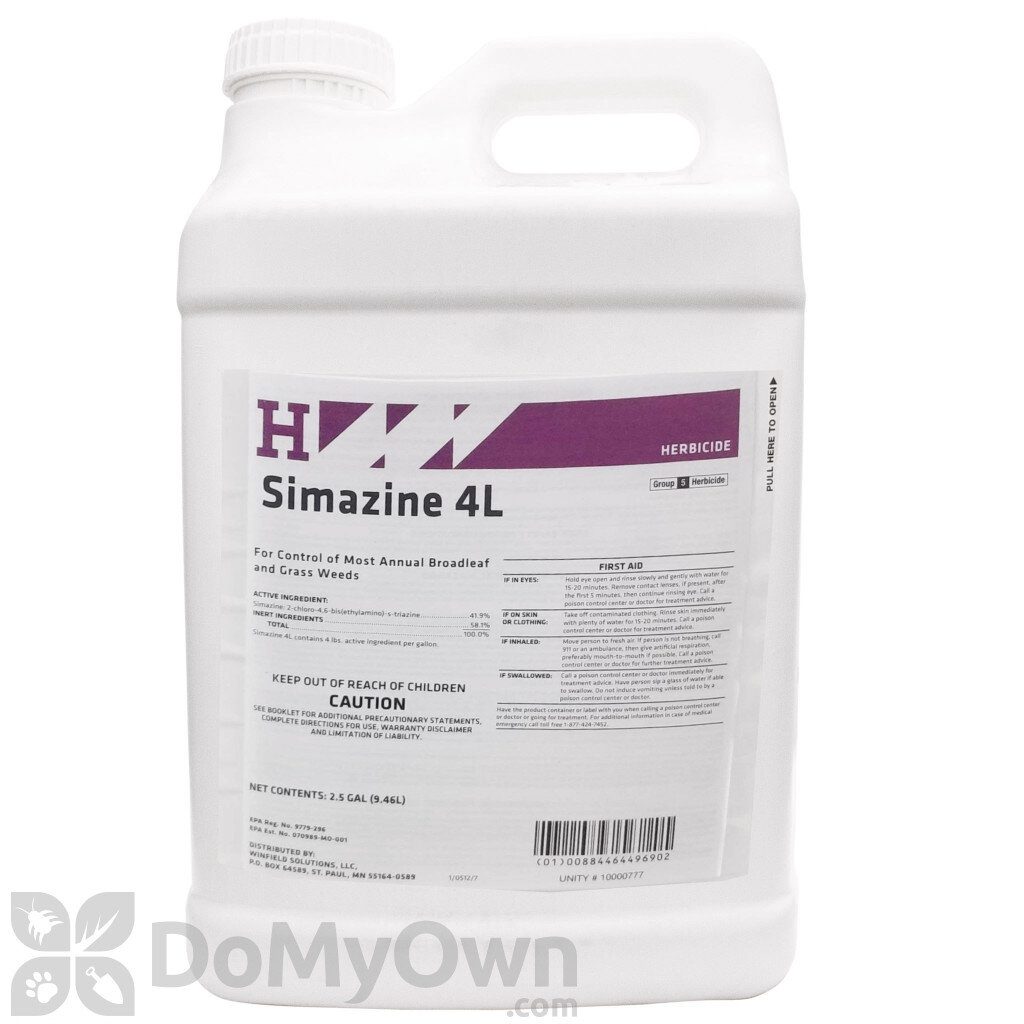
The best time to control existing lawn burweed is while the plants are young and before they develop sharp burs. Depending on the lawn species and product label, selective herbicides used for burweed may include atrazine or simazine on compatible turf, three-way broadleaf mixtures containing 2,4-D, mecoprop and dicamba, metsulfuron, or products containing fluroxypyr.
Post-emergent control is generally most useful from late fall through winter. During this period, the plants are smaller and easier to control because they have not yet produced mature spine-tipped burs. Control may still be possible later, but any burs that have already formed can remain after the weed dies.
St. Augustine, centipede, bermuda, and zoysia do not tolerate every herbicide the same way.
Early treatment improves control and helps stop painful burs from maturing.
A properly timed pre-emergent can reduce the next generation before it starts.
Never choose an herbicide by weed name alone. Confirm that the product is labeled for your exact turfgrass, follow all label directions, and avoid applications during restricted temperatures or sensitive spring green-up. Keep people and pets out of the treated area for the period stated on the label.
If lawn burweed continues to appear after treatment, the cause may be missed plants, new germination, poor coverage, incorrect timing, or a product that was not suitable for the lawn. A reputable lawn service can identify the turf, choose the right control approach, and plan follow-up prevention.
Want help getting rid of burweed?
Grow Green Weed Control provides locally timed weed-control programs throughout Baton Rouge, Ascension, Livingston, and nearby service areas.
Get My Free QuoteHow to Prevent Lawn Burweed
Once you have removed lawn burweed, it can return from seed the following season. Long-term control combines properly timed prevention with lawn-care practices that help desirable turf fill thin areas.
- Maintain dense turfMow at the recommended height for your grass species, and never remove more than one-third of the leaf blade in a single mowing.
- Use fall pre-emergentApply a pre-emergent labeled for lawn burweed and your turf type as seeds begin germinating in fall. Timing varies with weather, so the label and local conditions matter more than a single calendar date.
- Fertilize responsiblyUse soil-test guidance and wait until warm-season turf is actively growing before pushing spring growth. Too much or poorly timed fertilizer can create new lawn problems.
- Water only as neededAccount for rainfall, then water deeply and infrequently during active growth. Early-morning irrigation is best; constant moisture can encourage disease and weak turf.
- Correct thin areasCompaction, shade, drainage problems, traffic, insects, and disease can all create openings where burweed competes more easily.
- Stay consistentMonitor the lawn through winter and repeat the right prevention plan each fall. Seed already in the soil may require more than one season of control.
Healthy turf competes with burweed for light, water, and nutrients. Even so, lawns with a history of severe stickers often need a properly timed prevention and follow-up program.
Louisiana Burweed Seasonal Plan
Burweed control is a cycle, not a single spring rescue treatment. This quick-reference plan shows what is usually happening in the lawn and why each season matters.
| Season | What is happening | Best next step |
|---|---|---|
| Early to mid-fall | Seeds begin germinating as conditions cool. | Apply a compatible pre-emergent at the proper local timing and maintain turf density. |
| Late fall through winter | Small plants spread low along the soil and are easily overlooked. | Inspect the lawn and use a labeled post-emergent on young plants when needed. |
| Early spring | Plants grow rapidly and spine-tipped burs begin developing. | Treat only when the turf and label allow; understand that formed burs may remain. |
| Late spring and summer | The plant dies in heat, but dry burs and seed can linger. | Collect what you can, repair thin turf, and schedule the next fall prevention window. |
Weather shifts the exact timing from year to year. Product labels, turf species, soil temperatures, and actual weed development should guide treatment decisions.
Common Questions About Stickers
When should I treat lawn burweed in Louisiana?
Prevention usually begins in fall as seeds start to germinate. Existing plants are generally easiest to control from late fall through winter, before the sharp burs mature in spring. Exact timing varies with weather and the product label.
Can I kill stickers after they are already sharp?
You may still be able to kill the plant with an appropriate labeled treatment, but existing burs can remain sharp after the plant dies. Late treatment therefore may not provide immediate relief for bare feet or pets.
Is the same burweed treatment safe on every lawn?
No. Herbicide tolerance differs among St. Augustine, centipede, bermuda, zoysia, and other grasses. The label must specifically allow use on your turf species and under the current temperature and growth conditions.
Is burweed treatment safe around pets?
Follow the product label exactly. Keep pets and people away during application and for the re-entry period stated on the label—often until the treatment has dried, but the specific label controls.
Why does lawn burweed keep coming back?
Burweed reproduces by seed, and existing seed can remain in the lawn even after visible plants are controlled. Missed timing, thin turf, new germination, and mature burs from prior seasons can all contribute to another outbreak.
The Bottom Line
Lawn burweed becomes a serious nuisance once it creates its sharp burs. Apart from being unsightly, this winter annual competes with desirable turf and makes the lawn painful to use. With correct identification, early post-emergent control, properly timed fall prevention, and a healthier lawn, you can dramatically reduce burweed and keep stickers from taking over.

Owner of Grow Green Weed Control, serving Baton Rouge, Ascension, Livingston, and surrounding communities since 2021.
Responsible-use note: Always read and follow the current pesticide label; it is the authority for turf safety, rates, timing, protective equipment, and re-entry. Technical guidance reviewed against LSU AgCenter lawn burweed guidance.