South Louisiana turf-insect service
Lawn insect control that starts with the right pest.
Fast thinning, chewed blades, yellow patches, or disturbed soil may point to chinch bugs, armyworms, sod webworms, mole crickets, or another turf pest. Grow Green evaluates the evidence before recommending a targeted response.
An insecticide can suppress a susceptible target pest when the timing and application fit. It cannot revive turf tissue or roots that are already dead.
 Close-up clue: chinch bug in turf

Evidence before application
Yellow or brown turf does not identify the insect.
Useful clues come from where the injury begins, what part of the plant is damaged, whether insects are present, and how conditions changed. The border between healthy and injured turf is often more informative than the dead-looking center.
- Inspect the bladesChewed edges, skeletonized leaves, shorter turf, green pellets, or missing foliage can point toward caterpillar feeding.
- Work the active marginTiny pests such as chinch bugs may be concentrated where stressed turf meets greener grass, not in the oldest damage.
- Check the soil and rootsLoose soil, shallow tunnels, clipped roots, spongy turf, or sod that lifts easily shift attention below the leaves.
Common local suspects
Different pests leave different evidence.
These are scouting clues—not a diagnosis from the screen. Pest species, life stage, population, weather, and turf condition affect whether treatment is justified.
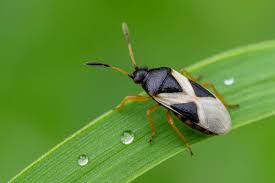 Adult southern chinch bug
Southern Chinch Bugs
Small sap-feeding insects strongly associated with St. Augustinegrass. Their injury can resemble drought and often begins in stressed, sunny areas.
- Yellow-to-brown patches that can expand outward
- Activity near the border of injured and healthy turf
- Tiny red-orange nymphs or black-and-white adults may be present
Fall Armyworms
Caterpillars that feed on grass blades and can remove foliage rapidly during an outbreak. Most turfgrasses can be affected; bermudagrass is a common target in Louisiana.
- Chewed, skeletonized, thinned, or bare-looking turf
- Larvae may be more active morning or after dark
- Green pellets or concentrated bird activity may be clues
Tropical Sod Webworms
Larvae feed on leaf tissue, often making affected turf appear unevenly clipped or scalped. St. Augustine, bermuda, and centipede are common hosts in Louisiana.
- Ragged leaf edges or noticeably shorter turf
- Yellow or brown patches as feeding intensifies
- Larvae often feed at night and shelter lower in the turf
 Turf damage still requires pest confirmation
Mole Crickets
Some species feed on turf while tunneling can also loosen soil, dry roots, and disrupt the surface. Timing and life stage strongly affect treatment strategy.
- Small raised tunnels or loosened, disturbed soil
- Weak turf with clipped roots or poor anchoring
- Damage may be patchy and easier to confirm with a close inspection
Other Louisiana turf pests—including spittlebugs and white grubs—can create yellowing, thinning, or root injury. The treatment target should match what is actually present, not simply the most familiar pest name.
Real lawn. Real field evidence.
See how quickly leaf-feeding damage can change a lawn.
This short walkthrough shows armyworm injury on an actual local St. Augustine lawn. It demonstrates why blade-level inspection matters when a lawn appears to thin suddenly—but similar-looking damage still needs its own evaluation.
- One focused 50-second field example
- Displayed in its correct uncropped 9:16 format
- A reminder that rapid change deserves prompt inspection
Common look-alikes
When lawn insecticide is not the first answer.
The wrong treatment delays the right correction. These problems can overlap with or closely resemble insect injury.
Explore lawn fungus controlLawn disease
Large Patch, Take-All Root Rot, Gray Leaf Spot, and other diseases can produce brown, yellow, or thinning turf without an insect being the primary cause.
Drought or irrigation gaps
Missed zones, clogged heads, poor coverage, and heat stress can closely mimic chinch-bug injury—especially in full sun and near hard surfaces.
Mowing or chemical injury
Scalping, dull blades, spills, overlap, drift, or a recent product application can leave patterns that appear suddenly without turf-feeding insects.
Root and soil stress
Compaction, drainage, construction debris, buried material, thatch, shade, or root disease may weaken turf and alter how firmly it is anchored.
Our targeted process
From symptom to a lawn-specific response.
The target pest, life stage, location in the turf, and severity help determine whether treatment makes sense and what follow-up may be needed.
Tell us what changed
Share the grass type, where damage began, how fast it moved, what you see in the blades or soil, and anything already applied.
Inspect likely activity
We compare the injury with likely insects, disease, irrigation, mowing, and root stress. The active edge often receives the closest look.
Treat the target
When an actionable pest is present or strongly supported, we choose a labeled product and application approach appropriate for that pest and site.
Protect recovery
We explain watering, mowing, and monitoring steps. Follow-up depends on pest biology, life stage, pressure, weather, and surviving turf.
Clear expectations
Controlling the pest and rebuilding the turf are separate.
Once feeding pressure is reduced, the lawn still needs viable crowns or runners, suitable growing weather, water, and time to replace lost tissue.
Targeted treatment may help
- Suppress a susceptible insect that is actively damaging the lawn
- Protect remaining living turf from continued feeding pressure
- Address the pest at a life stage and location the product label covers
- Give surviving turf a better opportunity to recover
Treatment cannot
- Revive leaves, crowns, runners, or roots that are already dead
- Correct drought, irrigation coverage, disease, drainage, or mowing injury
- Guarantee that every life stage or future insect is eliminated
- Guarantee a cosmetic recovery date regardless of damage and season
Choose the right outdoor service
This page is for insects feeding in the lawn.
Fire ants and biting pests need different programs. Use the closest service below, or choose “not sure” in the form.
Turf-feeding insects
Chinch bugs, armyworms, sod webworms, mole crickets, and other pests damaging grass blades, roots, or soil.
Request lawn insect helpFire ants and mounds
Visible mounds, colony activity, and stinging fire ants across lawns, play areas, and other treatable outdoor spaces.
View fire ant treatmentMosquitoes, fleas, and ticks
Biting-pest pressure around shaded foliage, resting sites, lawn edges, and the outdoor areas your household uses.
View biting-pest serviceScouting and biology guidance informed by LSU AgCenter’s Louisiana Home Lawn Series for southern chinch bugs, fall armyworms, tropical sod webworms, and mole crickets. Product selection and directions always follow the current label.
Where targeted insect control fits
An active outbreak does not have to wait for the next routine visit.
Grow Green’s main lawn program includes eight planned visits per year, generally about six weeks apart. Insect attention depends on your program, season, and what is found. When damaging activity appears outside the normal visit or a new customer needs a one-time response, targeted insect treatment can be quoted separately.

A genuinely local company
Local pest pressure calls for local field experience.
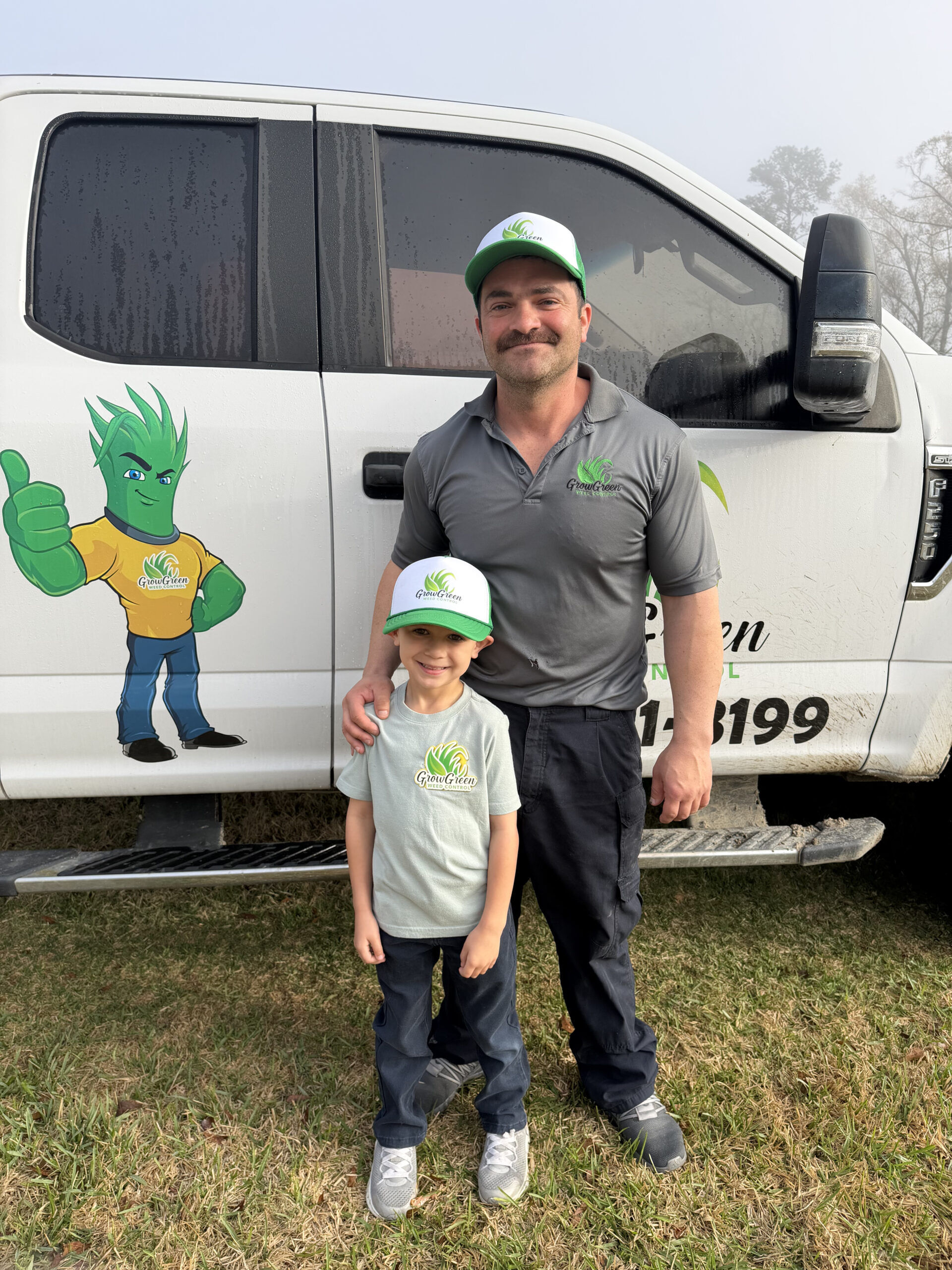
Grow Green was built in South Louisiana by owner and firefighter Dereck Palermo. Our team works in the same heat, humidity, heavy rain, and seasonal pest cycles affecting lawns across the area.
We serve Baton Rouge and communities across Ascension and Livingston parishes, including St. Amant, Prairieville, Gonzales, Geismar, Dutchtown, Sorrento, Denham Springs, Walker, Central, and Zachary.
Free custom estimate
Tell us what changed in your lawn.
You do not need to identify the insect. Choose the closest clue, share the service address, and our local team will review the next step.
- No pressure or obligation
- Most quote requests reviewed within one business day, Monday–Friday
- Your information goes directly to Grow Green
Thanks—your request is in.
The Grow Green team will review your lawn details and contact you about the next step. Most quote requests are reviewed within one business day, Monday through Friday.
Common questions
Straight answers about lawn insects.
If your question is not here, call the local Grow Green team at (225) 461-3199.
How can I tell whether the damage is insects or fungus?
Color and patch shape alone may not be enough. Chewed blades, visible insects, green pellets, spittle, tunnels, clipped roots, turf that lifts easily, and activity at the damaged edge can support an insect diagnosis. Weather, moisture, leaf lesions, root symptoms, and maintenance history help separate disease or environmental stress.
How quickly can armyworms damage a lawn?
During a heavy outbreak, armyworm larvae can remove foliage very quickly; LSU AgCenter notes that severe feeding may devastate turf overnight. Prompt inspection matters, but the amount of living crown and runner tissue left after feeding still determines recovery.
Why do chinch bugs look so much like drought?
Southern chinch bugs feed at the base of St. Augustinegrass and often injure hot, sunny, water-stressed areas first. The resulting yellow-to-brown patches can look like poor irrigation. Finding the insects near the active margin helps distinguish the two.
Will damaged grass grow back after treatment?
It may if enough living crowns, runners, and roots remain and growing conditions support recovery. Treatment does not turn dead tissue green. Severe areas may require more time, repair, or replacement even after insect pressure is reduced.
Is lawn insect control included in the regular lawn program?
Grow Green’s main lawn program includes eight planned visits per year, generally about six weeks apart. Insect attention depends on your specific plan, season, and activity found. A targeted follow-up or one-time insect treatment may be quoted separately; the team reviews that scope with you first.
Will one treatment prevent every future lawn insect?
No outdoor treatment permanently excludes every insect or life stage. Results depend on the target pest, pressure, life cycle, timing, weather, application site, and product label. Continued scouting may be needed when pressure remains favorable.
When can children and pets return to the lawn?
Keep people and pets out of the treatment area during application and until the product label’s re-entry directions have been satisfied. This often includes allowing treated surfaces to dry, but directions can vary. Grow Green provides the applicable instructions for your service.
Do you handle fire ants, mosquitoes, fleas, and ticks too?
Yes, but those are separate outdoor pest services. Use Fire Ant Treatment for mounds and colony pressure, or Mosquito, Flea & Tick Treatment for biting pests around outdoor-use areas. Choose “Not sure” in this form if you want the office to route the request.
What areas do you serve?
Grow Green serves Baton Rouge and communities across Ascension and Livingston parishes, including St. Amant, Prairieville, Gonzales, Geismar, Dutchtown, Sorrento, Denham Springs, Walker, Central, and Zachary. Submit the service address and our team will confirm coverage.
Do not let a brown patch choose the pesticide.
Tell Grow Green what changed. We will help separate likely insect activity from disease, irrigation, mowing, and other common look-alikes.