
Give Compacted Soil Room to Breathe
Professional core aeration opens tight soil so air, water and nutrients can reach the root zone—helping warm-season turf build deeper roots and a stronger foundation.
- Relieves compacted soil
- Improves water movement
- Supports deeper root growth
- Helps fertilizer reach the root zone
Local lawn-treatment specialists · Licensed and insured · No-pressure estimate
Request Core Aeration Pricing
Tell us where the lawn is. Our local office will review the property and follow up.
Your request is in!
It went directly to our office. We’ll follow up about your core aeration estimate.
Your lawn can be watered—and still struggle to use it
Foot traffic, mowers, construction and naturally tight soil press particles together over time. Roots get less space, water moves poorly and the lawn has to work harder. Core aeration physically removes small plugs to create temporary channels through that compacted layer.
Water puddles or runs off
Tight soil can slow infiltration before moisture reaches the active root zone.
The ground feels hard
Heavy traffic and repeated mower passes can compress the soil beneath the turf.
Turf stays thin or stressed
A weak root environment makes it harder for grass to spread and recover.
High-use areas decline first
Play areas, walk paths and turning zones often show compaction earliest.

What core aeration helps your lawn do better
Aeration is a soil-health service. It improves the growing environment so the turf—and the treatments applied to it—can work more effectively.
Move water into the soil
Open channels can improve infiltration and reduce the amount of irrigation lost to surface runoff in compacted areas.
Build a deeper root system
More room and better gas exchange support root growth, helping turf handle Louisiana heat and everyday stress.
Improve nutrient access
Aeration helps water and applied nutrients move beyond the surface and closer to the active roots.
Support natural thatch breakdown
Bringing soil and microorganisms into contact with the thatch layer can help it break down over time.
What to expect on aeration day
We keep the process clear, protect marked obstacles and leave the plugs in place so they can break down naturally.
Prepare the lawn
Mow beforehand, water if the soil is dry and clearly mark sprinkler heads, shallow lines, invisible fencing and other hidden obstacles.
We pull soil cores
Professional equipment removes small plugs throughout accessible turf areas. Actual plug depth varies with soil moisture and conditions.
The lawn recovers naturally
The openings begin closing as the turf grows, while the cores dry, crumble and return organic material to the soil.
Before we arrive
- Mark irrigation heads, valve boxes, drain caps, invisible fencing and shallow cables.
- Unlock gates and move toys, hoses, furniture and pet waste from the treatment area.
- Water lightly in advance if the soil is very dry; soft—not muddy—soil generally cores best.
After we leave
- Leave the soil plugs on the lawn; mowing and weather will break them down.
- Resume normal watering unless your technician gives a different recommendation.
- Continue your lawn-treatment program so the improved root zone has the support it needs.
Core aeration or liquid aeration?
Both target soil conditions, but they work differently. The best fit depends on your lawn, access and the kind of compaction you are trying to address.
Core Aeration
A machine physically removes soil plugs, creating visible openings through the compacted surface layer.
- Best when immediate physical decompaction is the priority
- Leaves temporary cores and holes that disappear naturally
- Requires access for aeration equipment
- Hidden shallow obstacles must be marked before service
Liquid Aeration
A soil-conditioning treatment is applied across the lawn without pulling plugs or running a core machine over the turf.
- No visible cores left across the lawn
- Useful for tight access, slopes or heavily irrigated properties
- No risk of a machine striking an unmarked shallow obstacle
- Works gradually as part of a soil-health approach
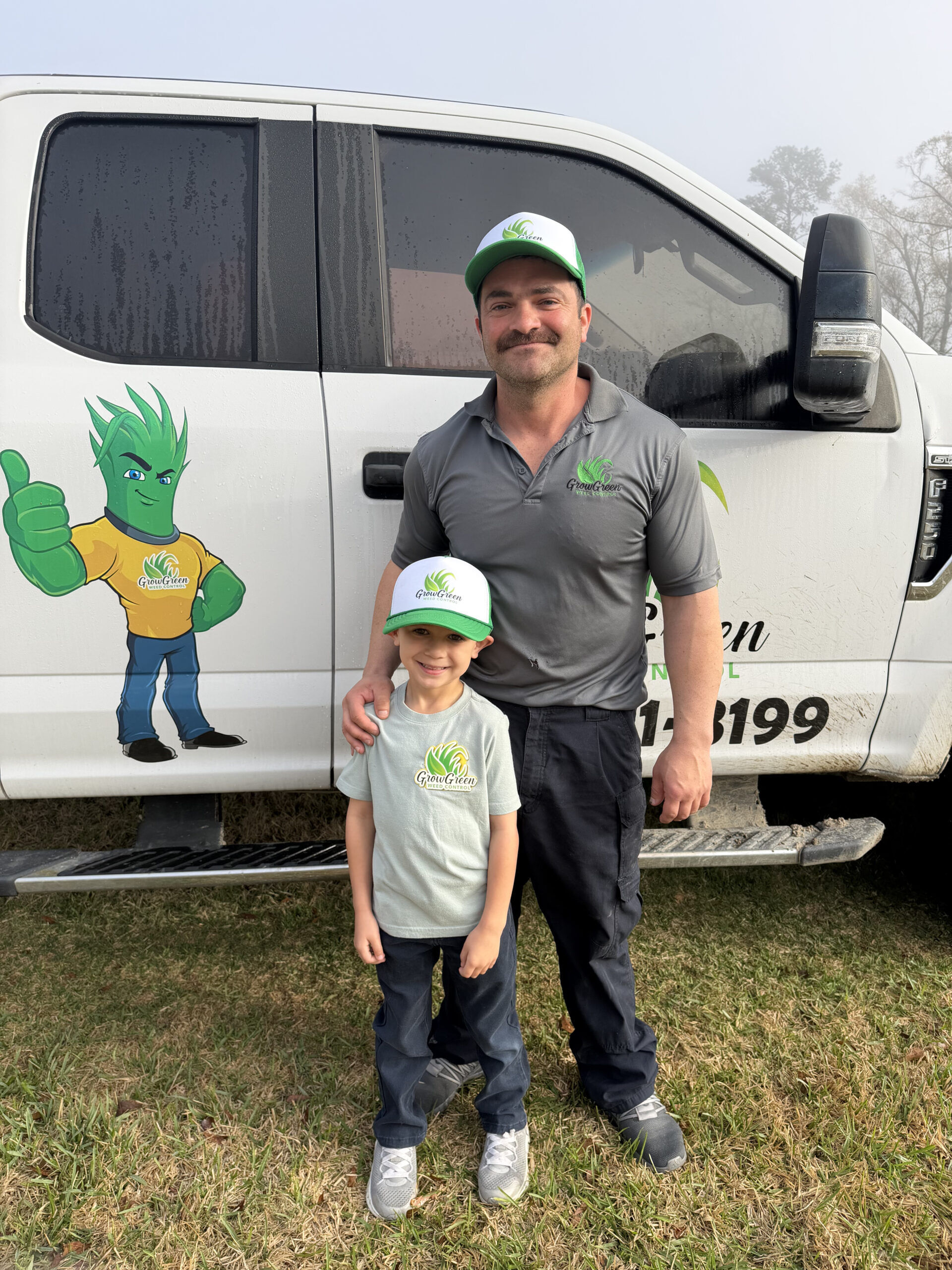
Lawn treatment is our specialty—not an add-on to a mowing route
South Louisiana turf does not need generic advice. We work with warm-season lawns, local soil conditions and the heat, humidity and rainfall patterns that shape how grass grows here.
- Local expertise: Recommendations built around St. Augustine, centipede, zoysia and bermuda lawns.
- Straight answers: We will explain what aeration can help—and what it cannot fix by itself.
- Clear communication: Know what is being done, how to prepare and what to expect afterward.
- No-pressure pricing: Request an estimate, ask questions and decide when it makes sense for your lawn.
Core aeration questions we hear most
When is the best time to core aerate in South Louisiana?
Warm-season grasses recover best while they are actively growing. For St. Augustine, centipede, zoysia and bermuda, that generally means the warmer growing season—not while the lawn is dormant or severely stressed.
Do the soil plugs need to be picked up?
No. Leave them on the lawn. They dry, crumble and work back into the turf through mowing, watering and normal weather. That returns soil and organic material to the surface.
How should I prepare my sprinklers and other hidden obstacles?
Clearly mark every sprinkler head, valve box, drain cap, invisible-fence line, shallow cable and other object that may not be visible from the surface. Aeration equipment cannot safely avoid obstacles that are not marked.
Should I water before core aeration?
If the ground is very dry, light watering beforehand can help the machine pull cleaner cores. The lawn should be moist enough to penetrate but not saturated, soft or muddy. We can give timing guidance when your service is scheduled.
Will aeration repair bare spots or fix every lawn problem?
No single aeration service can correct every cause of thinning. It improves the soil environment, but bare areas may also involve shade, drainage, insects, disease, irrigation, traffic or the need for sod. We will be straightforward about what your lawn needs.
What is the difference between core and liquid aeration?
Core aeration physically removes plugs for immediate openings in the soil. Liquid aeration uses a soil-conditioning application without holes or heavy equipment and works more gradually. Access, soil condition and your preference help determine the better fit.
How is core aeration priced?
Pricing depends primarily on the amount of turf being aerated, property access and site conditions. Send the address through the estimate form and our office can review the property and provide straightforward pricing.
Build a Better Lawn from the Soil Up
Get a straightforward core aeration estimate from a local lawn-treatment company that understands South Louisiana turf.
No-pressure estimate · Local office follow-up · Licensed and insured