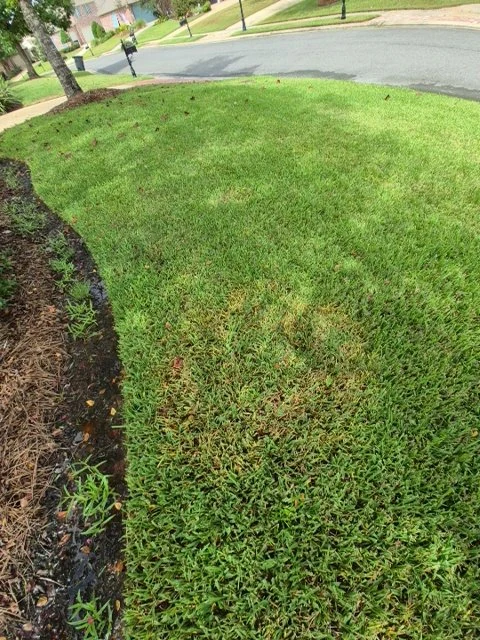
Drought or irrigation gaps Missed zones, clogged heads, and heat stress can mimic disease or chinch-bug injury—especially in full sun.
 Grow Green Weed Control
Lawn fungus · Lawn insects
Brown turf needs a diagnosis, not a guess.
Targeted help when brown, thinning, or chewed turf may be disease or insect pressure. We evaluate first, then recommend fungicide, insecticide, or a better next step for South Louisiana lawns.
- Evaluation before product
- Fungus & insect paths
- Look-alikes ruled out
Product protects living turf when the target fits. It does not bring dead grass back—or replace every other lawn care need.
Firefighter-owned Local and family-operated
Diagnosis before product Right problem, right response
Label-directed applications Clear recovery expectations
Warm-season turf focus Built for South Louisiana lawns
Choose your path—or start here
Two dedicated services. One evaluation-first approach.
Dive into the page that matches what you are seeing, or request an estimate here if you are not sure yet.
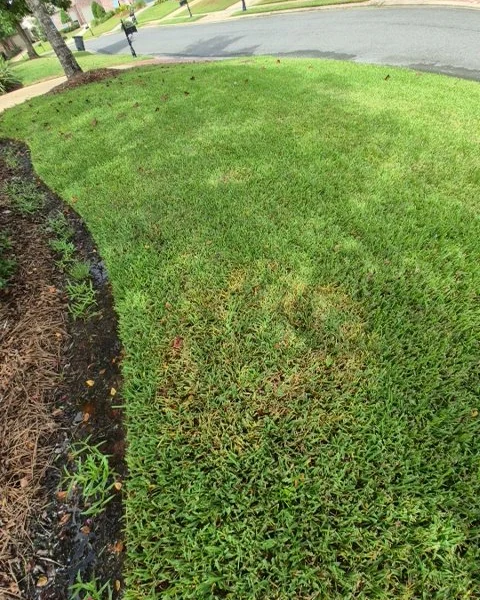
Disease pressure
Lawn fungus control
Separate fungus from look-alike causes, then recommend fungicide only when timing and target fit South Louisiana turf.
Explore lawn fungus →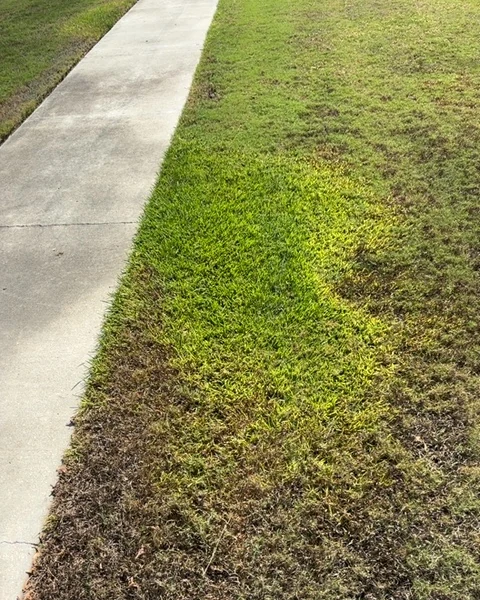
Pest pressure
Lawn insect control
Match evidence to the pest—chinch bugs, armyworms, sod webworms, mole crickets—before recommending insecticide.
Explore lawn insects →Diagnosis before treatment
Brown grass is a symptom. Fungus and insects are two possible causes.
A useful recommendation comes from the whole picture—not one photo or one brown patch. We look at the pattern, grass species, weather, moisture, maintenance, and how quickly the problem changed.
- Pattern in the lawn
Rings, scattered spots, sunny thinning, chewed blades, or loosened soil each point to different next steps.
- Grass type & timing
St. Augustine, bermuda, centipede, and zoysia do not share identical disease and insect risks—or the same seasonal windows.
- Conditions around the turf
Weather, moisture, irrigation, mowing, shade, compaction, and recent products all change what the symptoms mean.
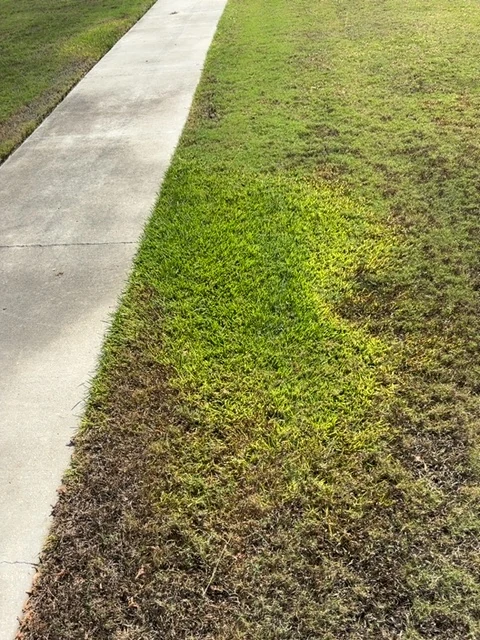
When spraying is not step one
Common look-alikes we separate first.
Using the wrong product on the wrong problem costs time while the actual cause keeps working.
Mowing injury Scalping, dull blades, or cutting wet turf can leave discoloration and wounds that resemble pest or disease damage.
Compaction, drainage & shade Restricted roots, saturated soil, and low light weaken turf and can be the primary problem—or increase secondary pressure.
Wrong product, wrong timing Spraying first and diagnosing later wastes time while the real cause keeps working. Evaluation protects living turf.
Common local concerns
What homeowners ask us to look at most often.
These are field clues—not a remote diagnosis. Similar symptoms can overlap, and turf may have more than one stress at a time.
Large patch & leaf diseases
Circular or irregular brown areas, leaf spots, and thinning that often intensify with humidity, wetness, or cool transitions.
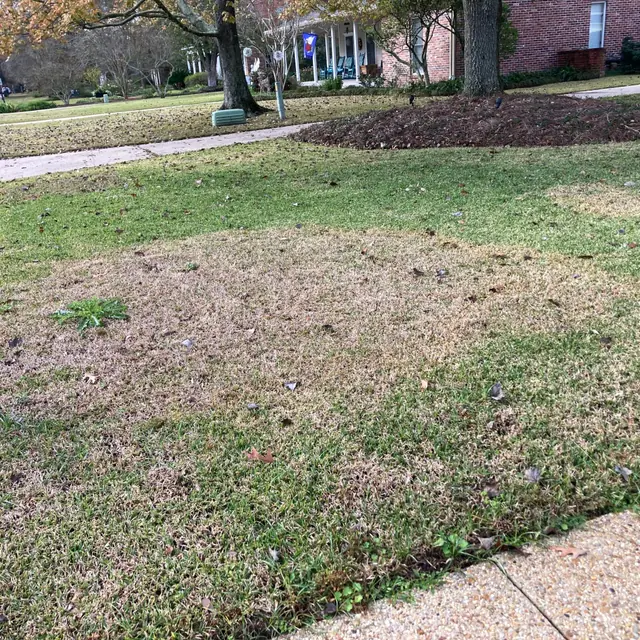
Root & stress complexes
Persistent yellowing or weak turf can involve root disease, soil limits, and plant stress—not only a surface fungicide target.
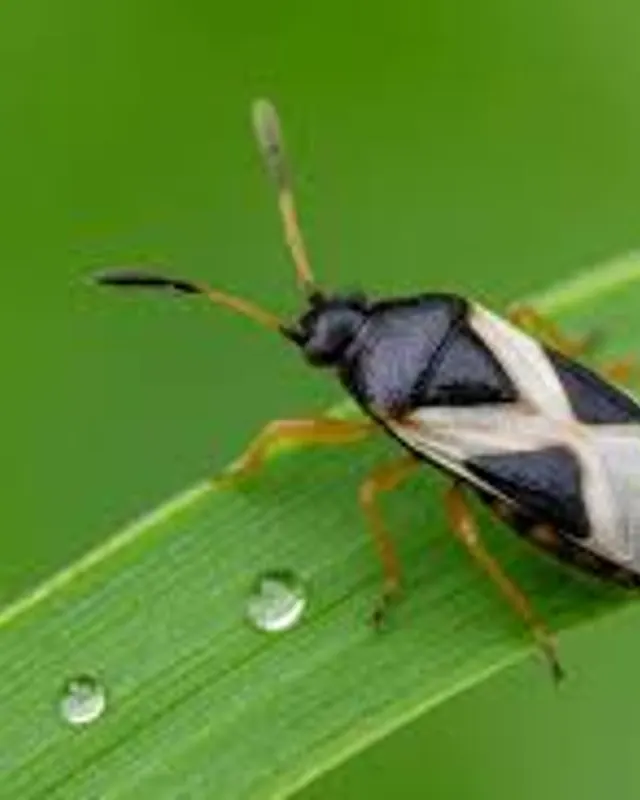
Chinch bugs & armyworms
Hot-weather thinning or rapidly chewed turf may be insect pressure. The active edge and recent weather matter.
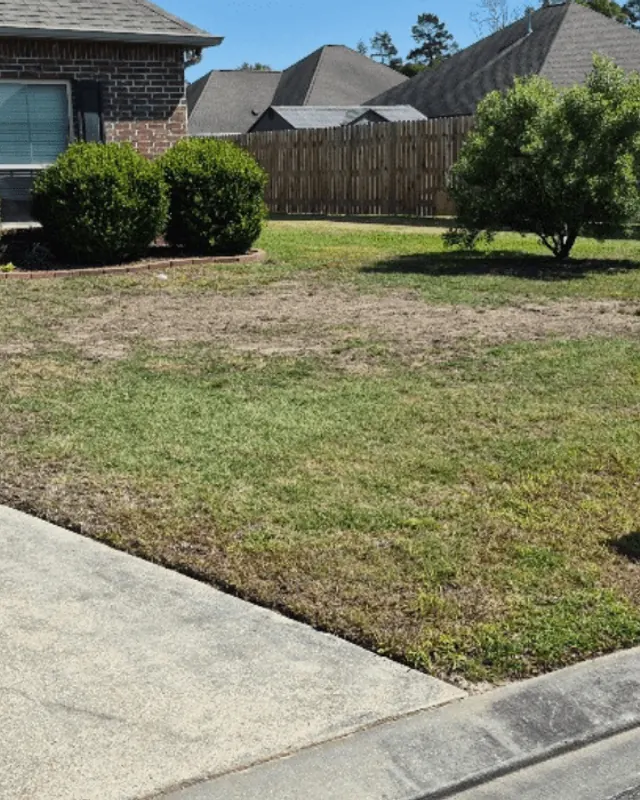
Sod webworms & mole crickets
Ragged blades, scalped-looking turf, tunnels, or loose soil can signal pests that need confirmation before treatment.
What happens next
A clear path from clue to response.
Whether the answer is fungicide, insecticide, or a non-product fix, the process stays straightforward.
Tell us what changed
Share grass type, pattern, timing, watering, mowing, and anything already applied. Photos may help prioritize the next look.
Narrow fungus vs insects vs look-alikes
We compare disease clues with insects, drought, irrigation gaps, mowing injury, compaction, and root stress.
Choose the right response
Fungicide or insecticide only when the target and timing fit. When they do not, we explain the better next step.
Protect the recovery
You receive practical watering, mowing, and stress guidance. Follow-up depends on severity, weather, and turf response.
What evaluation can do
- Sort fungus, insects, and look-alike stress before recommending product
- Match timing and target to South Louisiana warm-season turf
- Explain recovery limits so expectations stay honest
What treatment cannot do
- Bring dead leaf, crown, or root tissue back to green
- Fix drought, irrigation gaps, or mowing injury by spraying alone
- Replace every other lawn-care need on the property
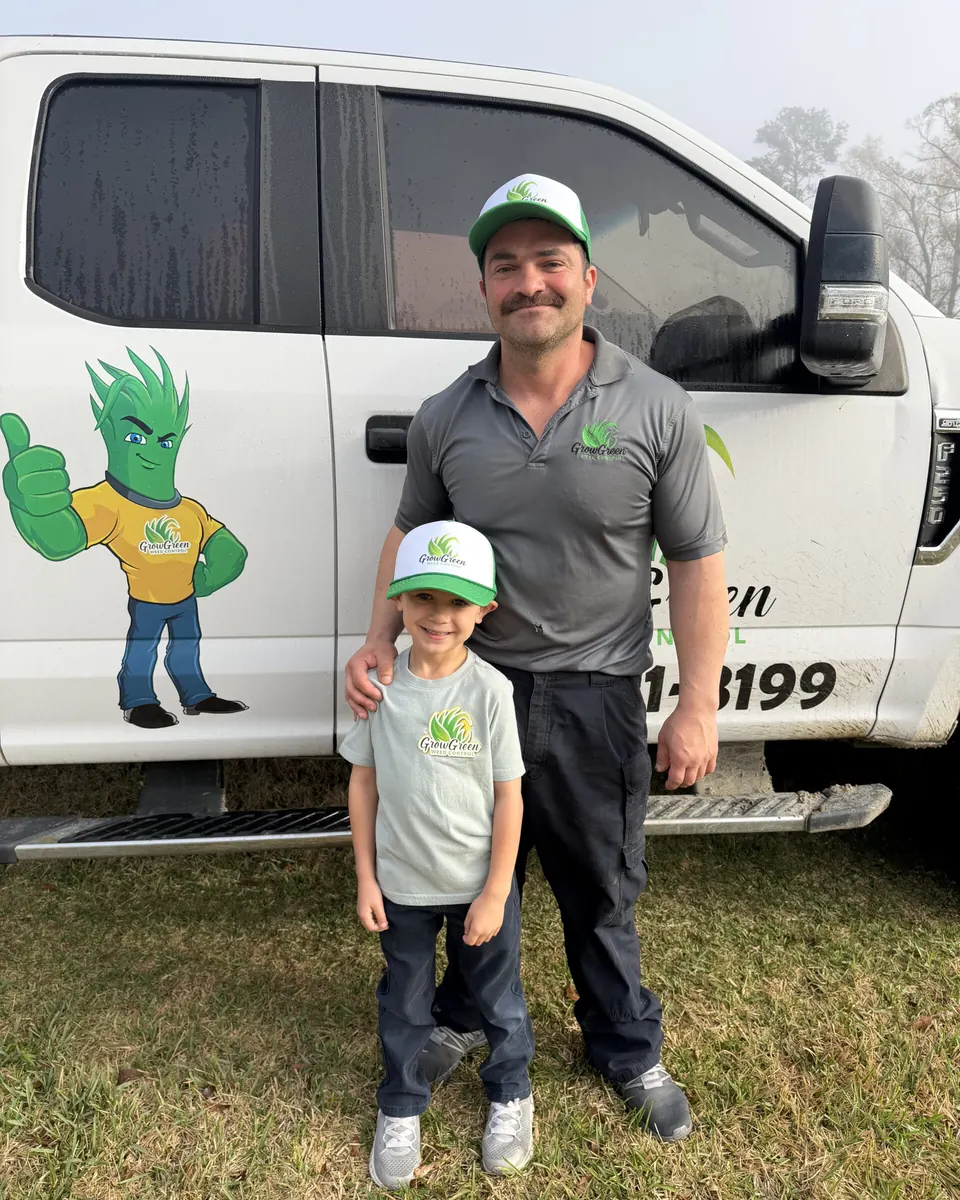
Why Grow Green
Local judgment for warm-season turf problems.
Heat, humidity, heavy rain, and drought stress change what brown turf means from week to week. Grow Green is a local team that evaluates the lawn in front of us—not a one-size calendar spray.
Honest expectations
Label-directed applications
Fungus & insect deep-dives
No-pressure pricing
Prefer a focused read? Lawn fungus · Lawn insects
Meet Grow Green →Straight answers
Lawn fungus & insect FAQs
Still sorting through brown patches or chewed turf? Call the local Grow Green team at (225) 461-3199.
How do I know whether brown grass is fungus or insects?
You often cannot tell from color alone. Pattern, grass type, weather, moisture, the active edge, chewed tissue, tunnels, and root condition all help. Grow Green evaluates those clues before recommending fungicide, insecticide, or a non-product next step.
Will treatment turn dead grass green again?
No. Fungicide and insecticide can help manage a susceptible target and protect living turf. Dead leaf, crown, or root tissue will not green back. Recovery depends on remaining living turf, conditions, and follow-through care.
Do you always recommend a spray?
No. Product is recommended when the evidence, timing, and label fit. Drought, irrigation gaps, mowing injury, compaction, shade, and root stress may need a different response first.
Should I start on the fungus page or the insect page?
If you already know which path fits, open that dedicated page. If you are unsure, request an estimate here and note what you are seeing—our team will help sort fungus, insects, and look-alikes.
Do I need to be home for an evaluation or treatment?
Usually not, as long as we can safely access the lawn and pets are secured. Gate codes, locked areas, and recent product applications should be shared when you request service.
What areas do you serve?
Grow Green accepts customers in 40 communities across 10 South Louisiana parishes—Ascension Parish, East Baton Rouge Parish, Iberville Parish, Jefferson Parish, Livingston Parish, St. James Parish, St. John the Baptist Parish, St. Tammany Parish, Tangipahoa Parish, and West Baton Rouge Parish—from our office in St. Amant. Browse the full city list on our service areas page, or submit your address and we will confirm coverage for your property.
Free local estimate
Tell us what you are seeing.
Share the service address and a short note about the pattern, timing, or pest activity. Our local team will review the details and prepare straightforward next steps.
- No pressure or obligation
- Most quote requests reviewed during business hours, Monday–Friday, 8 AM–4 PM
- Your information goes directly to Grow Green
Step 1 of 2 — Property details
Request your free estimate
Enter the service address and anything about grass type, pattern, timing, watering, or recent products that will help us prepare your quote.
Plans start at $39/month. Your estimate depends on lawn size and selected services.
Stop guessing at brown turf.
Let Grow Green help sort fungus, insects, and look-alikes—then recommend the response that actually fits your lawn.